What Happens When Flood-Damaged Drywall and Insulation Aren't Dried Quickly Enough?
Flood-damaged drywall and insulation can lead to mold growth if not dried quickly. Understand the risks and remediation steps for Annapolis homes.
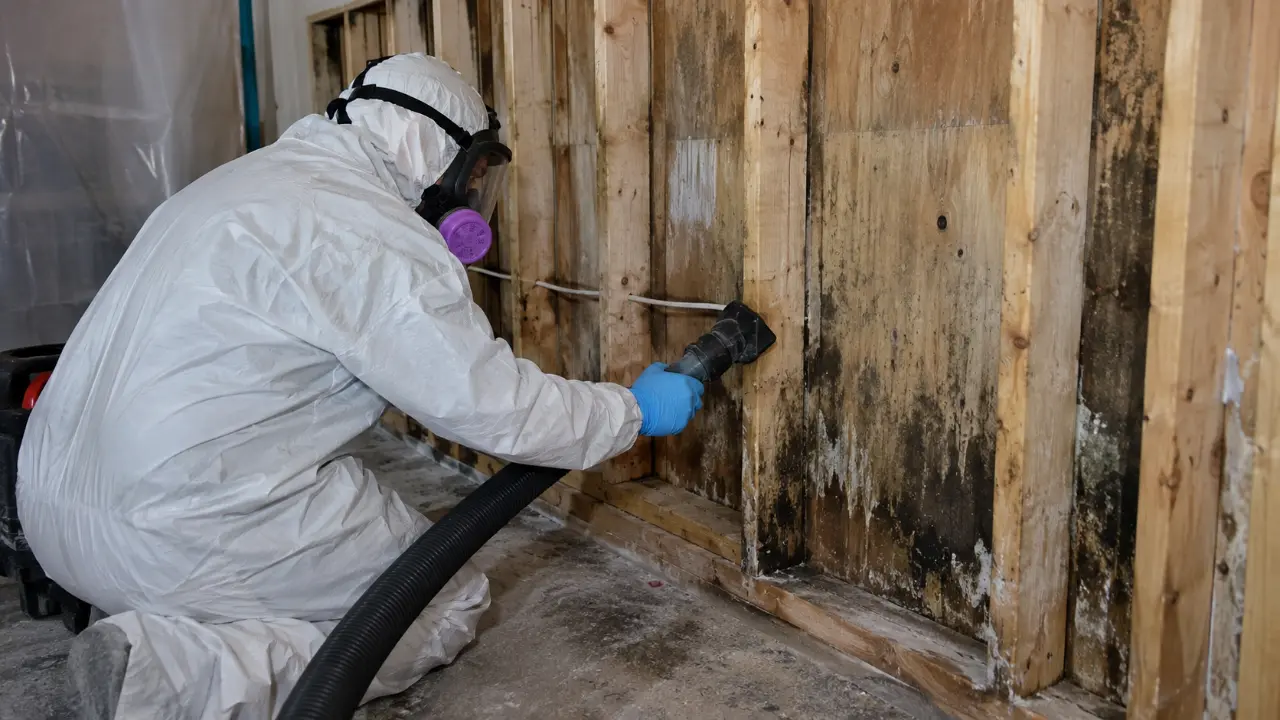
Flood-damaged drywall and insulation can lead to significant issues if not dried quickly. If these materials remain wet for more than 24 to 48 hours, they become breeding grounds for mold.
This post explores the critical importance of rapid drying, the potential consequences of delays, and how homeowners in Annapolis can effectively manage flood damage.
What is Flood-Damaged Drywall and Insulation?
Flood-damaged drywall and insulation are materials that have been exposed to excess water, typically due to flooding or leaks. When these materials absorb water, they can weaken structurally and become susceptible to mold growth.
Why Quick Drying is Crucial
Quick drying of flood-damaged drywall and insulation is essential to prevent mold growth and further damage. The faster these materials dry, the less likely they are to develop mold, which can lead to health issues and costly repairs.
Consequences of Delayed Drying
Failing to dry drywall and insulation promptly can result in several serious issues:
- Mold Growth: Mold can begin to develop within 24 to 48 hours of exposure to moisture.
- Structural Damage: Prolonged exposure can weaken the integrity of walls and ceilings, necessitating expensive repairs.
- Health Risks: Mold spores can cause respiratory issues and allergic reactions in occupants.
- Increased Repair Costs: The longer the damage remains unaddressed, the more extensive and costly the repairs will be.
In Annapolis, where humidity levels can be high, the risk of mold growth is particularly pronounced. Homeowners should act swiftly to mitigate these risks.
Signs of Mold Growth
Identifying mold growth early can save you from extensive damage. Common signs include:
- Visible Mold: Black, green, or white patches on walls or ceilings.
- Musty Odors: A persistent damp smell often indicates mold presence.
- Water Stains: Discoloration on walls or ceilings can signal water damage.
- Peeling Paint or Wallpaper: This may indicate moisture trapped beneath the surface.
Common Mistakes to Avoid
Homeowners often make mistakes that can exacerbate mold issues:
- Ignoring Moisture: Failing to address small leaks can lead to larger problems.
- Using Fans Ineffectively: While fans can help, they may not be sufficient alone for drying out walls.
- Not Seeking Professional Help: Sometimes, expert intervention is necessary to ensure complete drying and mold remediation.
When to Call a Professional
Contacting professionals is critical when you notice persistent mold, extensive water damage, or if you are unsure how to proceed. Annapolis Mold Guard specializes in residential mold remediation Annapolis MD and can help ensure your home is safe and healthy.
Frequently Asked Questions
1. How long does it take for mold to grow after flooding?
Mold can start to grow within 24 to 48 hours after drywall and insulation become wet.
2. What are the costs associated with mold remediation?
In 2026, typical costs for mold remediation in Annapolis range from $500 to $6,000, depending on the extent of the damage.
3. Can I dry out my drywall myself?
While minor dampness can be managed, extensive water damage typically requires professional mold inspection services Annapolis to ensure thorough drying.
4. What should I do if I see mold?
If you see mold, it's essential to call a professional immediately to assess and remediate the situation.
5. How can I prevent future mold growth?
Preventive measures include controlling humidity, fixing leaks promptly, and ensuring proper ventilation in your home.